
Client retention rarely hinges on one big gesture. It is usually the steady feeling that a supplier is reliable, thoughtful, and easy to stick with across the financial year. In Australia, gifting is one of the simplest ways to reinforce that feeling without adding meetings or discounts.
Personalised corporate hampers work particularly well because they combine usefulness with a human touch. When the gift feels chosen, not churned out, it makes the relationship easier to continue, renew, and recommend.
Why do thoughtful gifts influence client retention in the first place?
Thoughtful gifts influence retention because they strengthen the social side of a commercial relationship. When a client feels understood and valued, inertia works in favour of renewal rather than switching.
In practical terms, a well-timed gift gives the account a positive moment to associate with the supplier. It can also reopen conversations that lead to upsells, referrals, or smoother contract discussions.
What makes personalised corporate hampers more effective than generic gifting?
They are more effective because they signal effort, attention, and relevance. A generic bottle of wine is pleasant, but it does not prove the sender knows anything about the recipient.
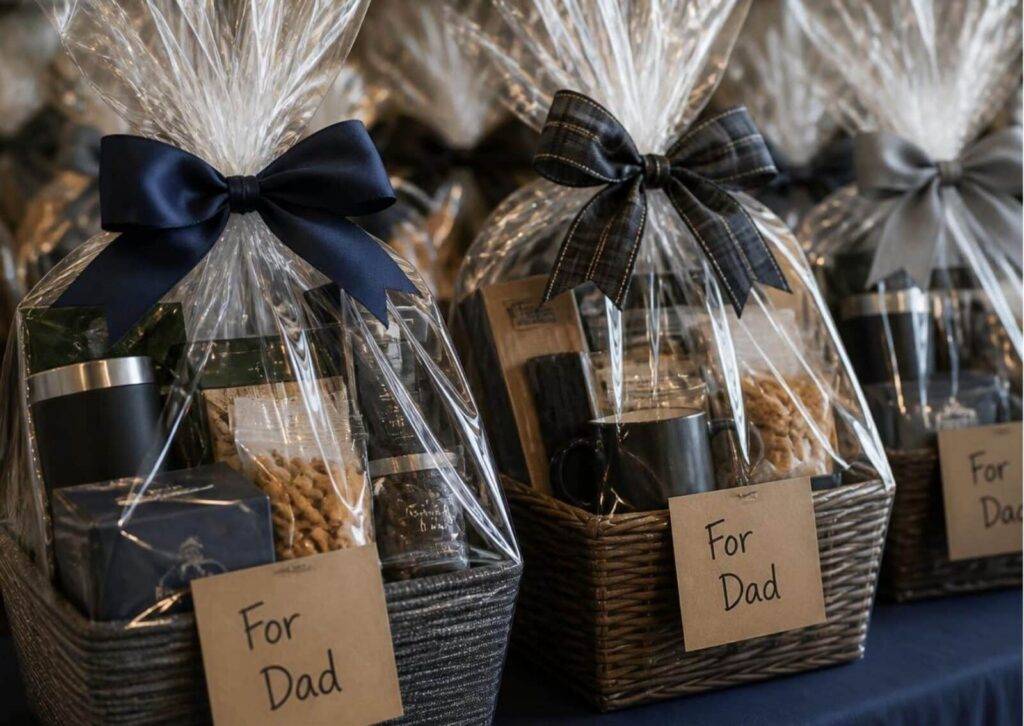
Personalised corporate hampers can reflect dietary needs, local tastes, team size, and even brand values. That extra relevance makes the gift feel less like marketing and more like relationship care.
How do personalised corporate hampers build a sense of reciprocity over time?
They build reciprocity by creating a small, consistent reminder that the sender invests in the partnership. Clients often respond with renewed goodwill, faster approvals, or a greater willingness to trial new services.
With repeated use, personalised corporate hampers can become part of the relationship rhythm. A client may start expecting professional care, which makes a competitor’s cold outreach easier to ignore.
When should Australian businesses send hampers for the biggest retention impact?
The strongest timing is tied to client milestones, not only holidays. End-of-financial-year thanks, onboarding completion, project launches, and contract anniversaries often land better than a crowded December.
In Australia, some brands also use moments like NAIDOC Week support initiatives, a Melbourne Cup season alternative event, or a “winter warmers” theme mid-year. The key is consistency and relevance to the account.
Who should receive the hamper to reduce churn risk?
The best recipient is the person or group that influences renewal and daily sentiment. That may be the procurement contact, the account champion, or the wider team who actually feels the service quality.
For larger Australian organisations, sending one large gift to a single executive can miss the mark. Personalised corporate hampers are often more effective when they are sized for shared kitchens, team meetings, or multiple stakeholders.
What should go inside a hamper to feel truly personalised?
A hamper feels personalised when the items match the client’s context. That could mean alcohol-free options, gluten-free snacks, vegan treats, or locally made products from the client’s state.
Personalised corporate hampers also benefit from practical items that get used, such as premium coffee, teas, pantry staples, or desk-friendly treats. A short note that references a specific project or outcome often matters more than any single item.
How can Australian brands use local products without making it feel gimmicky?
Local products work best when the selection has a clear reason. For example, a Sydney client might appreciate NSW-made pantry items, while a Perth-based team may enjoy WA producers they recognise.
The point is not to create a tourism basket. It is to show care and quality through proven Australian makers, consistent presentation, and products that suit the recipient’s workplace habits.
How do personalised corporate hampers support key account relationships during tough periods?
They help most when budgets tighten and clients review suppliers. At that moment, small relational signals can protect an account from being reduced to a line item.
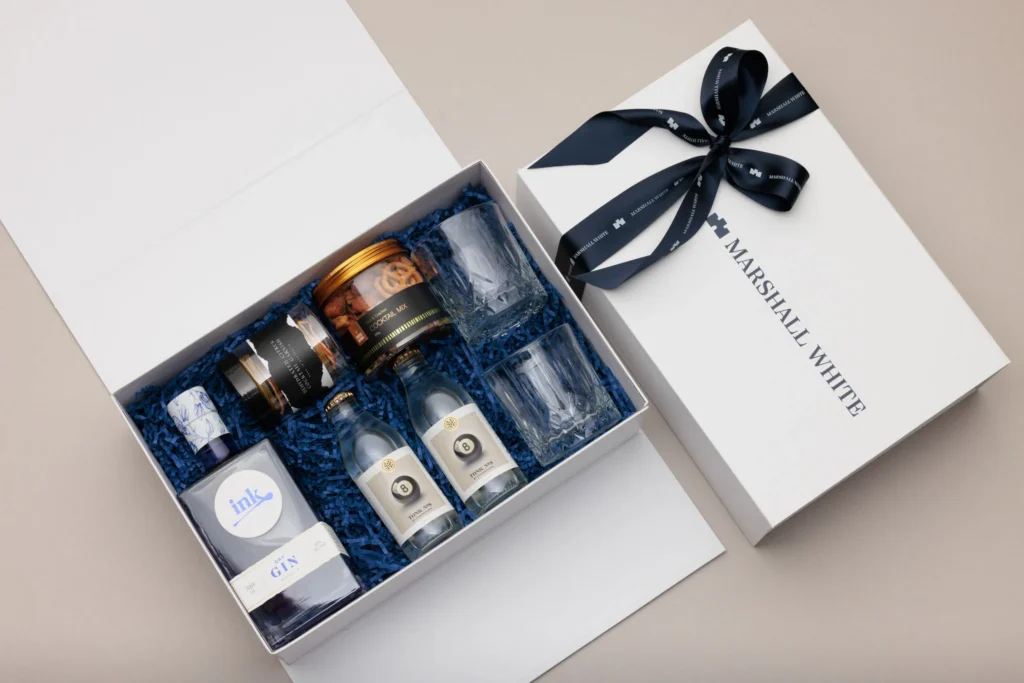
A well-judged gift can also soften difficult conversations about timelines, service changes, or price adjustments. Personalised corporate hampers do not replace performance, but they can keep goodwill high while problems are fixed.
Can personalised corporate hampers increase engagement and referrals, not just retention?
Yes, because they create reasons to talk. A gift can spark an email reply, a thank-you call, or internal chatter that keeps the supplier top of mind.
If the hamper is shareable, it can spread awareness through the client’s team. Personalised corporate hampers sometimes reach people who did not previously know the supplier, which can open doors to cross-department referrals.
How should businesses measure whether hampers are improving retention?
They should track retention signals before and after gifting cycles. Useful indicators include renewal rates, contract length, share of wallet, meeting acceptance, response speed, and Net Promoter Score movements.
It also helps to log qualitative feedback. If clients mention the gift unprompted, forward photos, or reference the note months later, the relationship impact is real, even if it is not instantly visible in revenue.
What are the most common mistakes that reduce the retention value of corporate gifting?
The biggest mistake is choosing based on what the sender likes, not what the client can enjoy. Another is ignoring cultural or policy constraints, especially in government, health, and heavily regulated Australian industries.
A third mistake is sending something that creates friction, like messy foods, unclear allergens, or awkward alcohol assumptions. Personalised corporate hampers only work when they feel safe, inclusive, and easy to share.
How can businesses stay compliant with Australian gifting policies and still be thoughtful?
They should confirm the client’s policy first, then design within it. Many organisations have value thresholds, disclosure rules, or restrictions on alcohol and personal gifts.
Thoughtful does not have to mean expensive. Personalised corporate hampers can focus on modest, high-quality goods, clear labelling, and a message that frames the gift as a thank you, not an inducement.
Why does presentation matter as much as the contents?
Presentation shapes the first impression and the perceived effort. A tidy, well-packed hamper with a clear note feels intentional, while a sloppy box can undo the goodwill.
In retention terms, the client is judging professionalism. Personalised corporate hampers should look consistent with the sender’s brand, arrive in good condition, and be easy to open in an office environment.
How can organisations scale personalisation without losing authenticity?
They can scale by using structured client notes and a small set of flexible hamper “profiles”. For example, profiles might include wellness, coffee and tea, pantry luxe, or celebration, each with dietary variants.
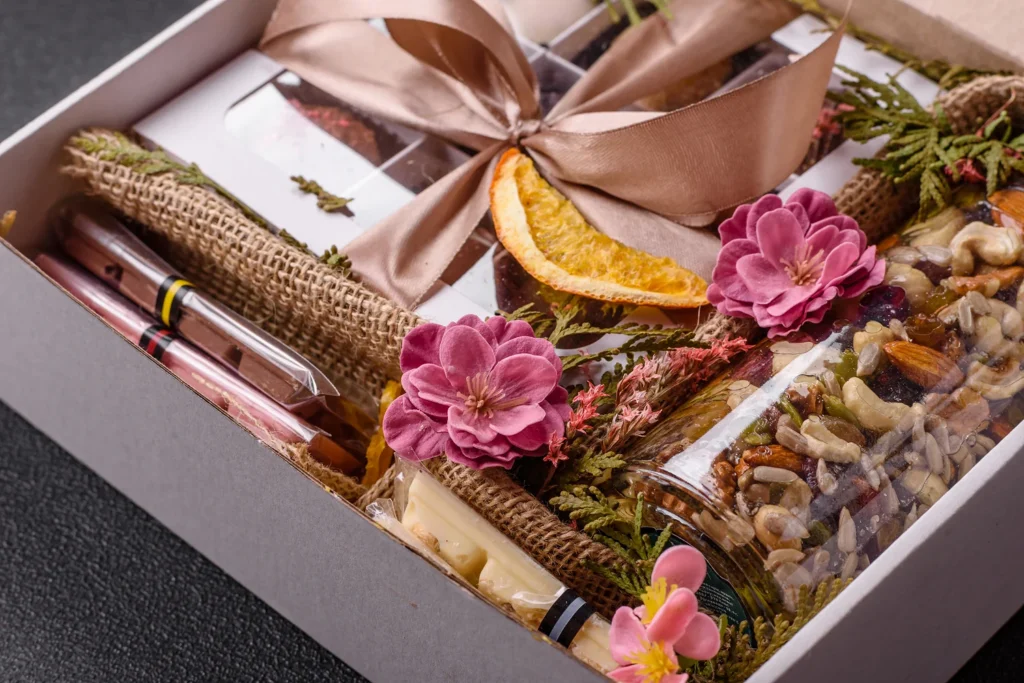
The personal layer comes from accurate details and timely sending, not endless custom builds. Personalised corporate hampers feel authentic when the note is specific and the selections avoid obvious “one-size-fits-all” shortcuts.
What role does the message play in long-term client retention?
The message anchors the gift to the relationship. It should reference a meaningful moment, outcome, or shared goal, and it should be short enough to read quickly.
A strong note also signals continuity. It can mention looking forward to the next quarter, the next rollout, or the next planning session, which subtly supports renewal.
How should businesses choose the right Australian supplier for corporate hampers?
They should look for reliable delivery, clear dietary labelling, consistent stock, and options that suit different states and metro or regional addresses. They should also confirm lead times around EOFY and December peak periods.
A good supplier makes it easy to keep records, manage addresses, and repeat orders with controlled variation. That operational ease matters because a late hamper can feel worse than none at all.
What does a simple retention-focused hamper strategy look like over 12 months?
A simple strategy uses two to four touchpoints tied to relationship moments. For example, one onboarding thank you, one mid-year check-in, one EOFY appreciation, and one renewal or anniversary gift.
The best approach stays consistent, not random. When clients see a pattern of care, they are less likely to drift. Over time, the relationship becomes harder to replace, which is exactly what retention needs.
FAQs (Frequently Asked Questions)
Why are personalised corporate hampers effective for client retention in Australia?
Personalised corporate hampers combine usefulness with a human touch, showing effort, attention, and relevance to the client’s preferences. This thoughtful gifting approach strengthens relationships by making clients feel understood and valued, which encourages renewal, referrals, and smoother contract discussions.
When is the best time for Australian businesses to send personalised corporate hampers?
The most impactful times align with client milestones such as end-of-financial-year acknowledgments, onboarding completions, project launches, and contract anniversaries. Additionally, leveraging local events like NAIDOC Week or Melbourne Cup season alternatives can enhance relevance and strengthen client connections.
Who should receive personalised corporate hampers to maximise client retention?
Hampers should be sent to individuals or groups who influence renewal decisions and daily sentiment—this might include procurement contacts, account champions, or entire teams. For larger organisations, distributing hampers sized for shared spaces or team meetings ensures broader engagement and reduces churn risk.
What items make a personalised corporate hamper truly thoughtful and relevant?
A truly personalised hamper reflects the client’s context with options like alcohol-free beverages, gluten-free snacks, vegan treats, or locally made products from their state. Including practical items such as premium coffee, teas, pantry staples, and a personalised note referencing specific projects enhances the gift’s meaningfulness.
How do personalised corporate hampers support key account relationships during challenging periods?
During budget constraints or supplier reviews, these hampers act as small relational signals that maintain goodwill. They can soften difficult conversations about timelines or price adjustments by showing ongoing care and investment in the partnership without replacing service performance.
How can Australian businesses ensure compliance with gifting policies while sending personalised corporate hampers?
Businesses should first confirm the client’s gifting policy and design hampers within those guidelines. Staying mindful of value thresholds, cultural sensitivities, and industry regulations—especially in government or health sectors—ensures gifts are safe, inclusive, and appropriate while still being thoughtful.
Related: Fathers Day Gift Boxes Versus Traditional Hampers Explained Simply