
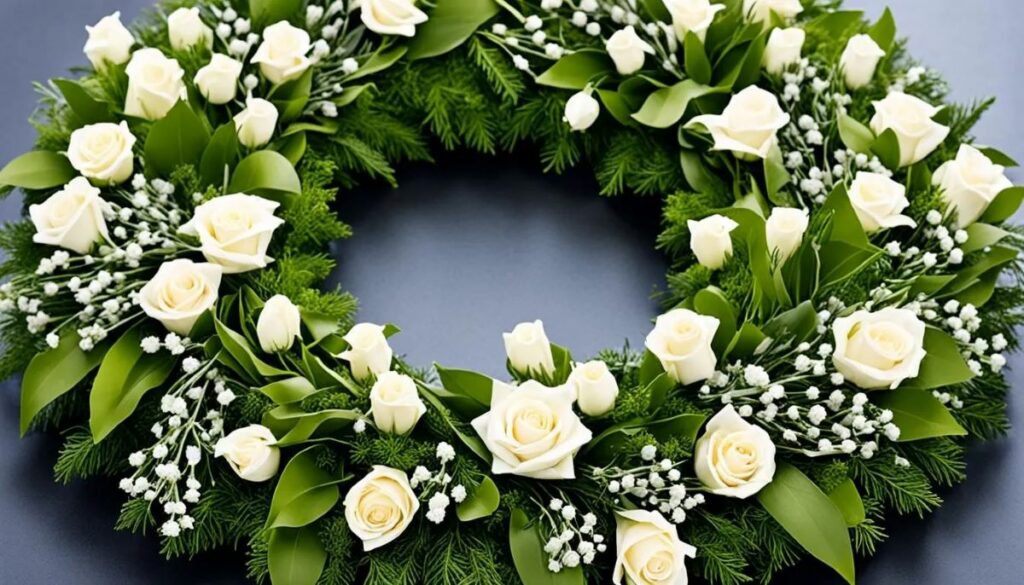
What do funeral flowers communicate?
They usually communicate care, respect, remembrance, and support for the grieving family. Even a small bouquet can say, “they are not alone,” especially when the sender cannot be there in person.
Different styles can also signal intent. A formal wreath may feel like a public tribute, while a hand-tied bouquet can feel more personal and intimate.
Who are the flowers for: the deceased or the family?
They are often for both, but the priority is usually the family’s comfort. Sympathy arrangements sent to a home or service—especially through a funeral flowers delivery—show support for those grieving, while tribute pieces near the casket or urn focus more directly on honoring the deceased.
If the family has shared preferences, those should guide everything. If not, senders can simply aim for calm, tasteful, and not overly celebratory.
What type of arrangement should they choose?
They should choose based on where the flowers will go and how visible the tribute will be. For services, structured arrangements are easier for venues to place and display. For homes, smaller pieces are often more practical.
Common options include:
- Wreaths and circles: symbolise continuity and remembrance.
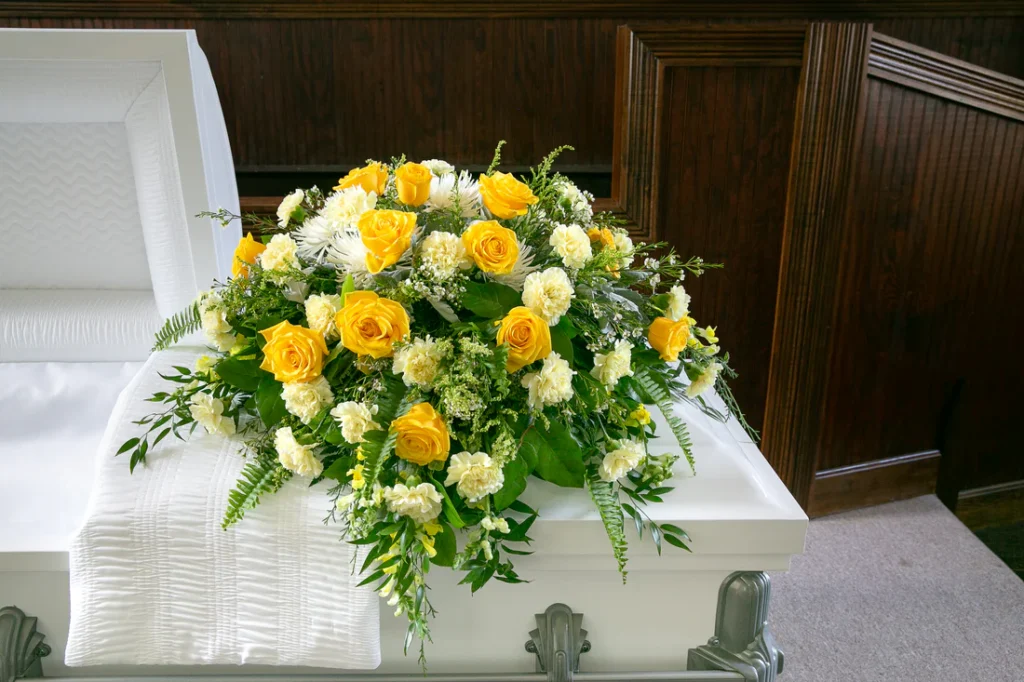
- Sprays: typically displayed near the casket; often chosen by close family.
- Standing tributes: highly visible, suitable for groups or workplaces.
- Bouquets and vase arrangements: flexible, often best for sending to a home.
- Plants: longer-lasting, sometimes preferred over cut flowers.
How do they match flowers to their relationship with the deceased?
They can use closeness as a simple guide. Immediate family often chooses the most prominent pieces, while friends and colleagues usually send smaller tributes or supportive arrangements.
A practical approach:
- Partner, parent, child, sibling: casket spray, large tribute, or a highly personalised piece.
- Extended family and close friends: wreath, medium spray, or a coordinated set from several people.
- Colleagues, neighbours, acquaintances: tasteful bouquet, vase arrangement, or plant with a brief note.
Which flowers are most appropriate and what do they mean?
They do not need to overthink symbolism, but it can help when choosing between similar options. Classic funeral flowers are popular because they look calm, photograph well, and suit many settings.
Common meanings people associate with:
- Lilies: peace and restored innocence.
- Roses: love and respect; white often suggests reverence, red suggests deep love.
- Chrysanthemums: widely used for grief and remembrance in many cultures.
- Carnations: enduring love and admiration; long-lasting blooms.
- Orchids: lasting love and elegance.
- Native or seasonal flowers: a grounded, personal tribute, especially if they reflect the person’s life.
If allergies are a concern, they can avoid heavily scented blooms and request low-fragrance choices.
What colours should they choose for funeral flowers?
They should choose colours that match the tone of the service and the family’s preferences. Soft palettes are most common because they feel gentle and unobtrusive.
Simple colour guidance:
- White and green: traditional, peaceful, and universally appropriate.
- Soft pastels: warm and comforting without feeling festive.
- Deep reds and purples: can feel formal and reflective, often used for close relationships.
- Bright mixed colours: best used only if the family requests it or the deceased was known for vibrant style.
If the deceased had a favourite colour, small accents can feel personal without overwhelming the tribute.
How can they personalise funeral flowers without making it feel performative?
They can keep personal touches quiet and specific. The goal is not to stand out, but to reflect something true about the person’s life.
Meaningful ideas include:
- Including a single favourite flower among classic blooms.
- Choosing flowers tied to a shared memory, hobby, or place.
- Adding a short message that references who the deceased was, not just the loss.
- Using a ribbon with a simple line like “Always remembered” rather than a long dedication.
If unsure, they can personalise the message card instead of the arrangement itself.
What should they write on the card?
They should write something brief, sincere, and easy for a grieving person to read. A message does not need to be poetic to be comforting.
Examples:
- “Thinking of them, and of all of you, with love.”
- “With deepest sympathy. They will be missed.”
- “Holding their memory close, and sending strength to the family.”
- “They made a difference. They will not be forgotten.”
If the sender knew the deceased well, one specific line can help: “They always made people feel welcome.”
When should they send the flowers?
They should send them in time for where the flowers are meant to be seen. If the intention is for the service, delivery should be arranged for the venue on the day of, or the day before if the funeral director allows it.
If they missed the service, sending flowers afterward is still appropriate. Many families say late support matters because the first weeks can feel crowded, then suddenly quiet. Click here to learn more about a local guide to choosing the right florist in Cremorne Point that residents trust.
Where should they deliver them: the service, the home, or somewhere else?
They should follow the family’s guidance first, especially if a notice requests donations only or specifies “no flowers.” If flowers are welcome, delivery depends on the family’s situation.
- To the service: best for public tributes and group arrangements.
- To the home: best for close friends offering comfort over several days.
- To a place of worship: appropriate if the service is held there and policies allow.
If they are unsure, sending a smaller arrangement to the home is often the safest choice.
What etiquette and cultural considerations should they keep in mind?
They should respect faith and cultural customs, because floral traditions vary widely. In some communities, certain colours are preferred, while in others they may be discouraged.
Key etiquette checks:
- Confirm whether the family has requested donations instead of flowers.
- Ask about any religious guidelines or venue restrictions.
- Consider practicalities like travel, heat, and display space.
- Avoid anything overly casual or novelty-themed unless the family explicitly wants it.
When uncertain, a simple white and green arrangement is rarely out of place.
How can they choose something meaningful on a budget?
They can prioritise thoughtfulness over size. Smaller, well-composed arrangements often feel more respectful than large pieces that seem generic.
Budget-friendly ways to add meaning:
- Choose seasonal flowers for better value and freshness.
- Send a plant that can live on.
- Pool funds with others for one coordinated tribute.
- Spend more on a heartfelt note and less on extra stems.
Meaning usually comes from intention, not price. Check out more about keeping fresh flowers at their best.
How do they make the final decision without second-guessing?
They can make three quick choices: where it will be delivered, the relationship level, and a calm colour palette. That combination usually produces a respectful result.
If they still feel unsure, they can choose a classic style, keep colours soft, write a sincere card, and trust that support is what the family will remember most.
FAQs (Frequently Asked Questions)
What do funeral flowers typically communicate?
Funeral flowers usually communicate care, respect, remembrance, and support for the grieving family. Even a small bouquet can convey that the deceased is not alone, especially when the sender cannot be present in person. Different styles of arrangements can also signal varying intents, such as a formal wreath serving as a public tribute or a hand-tied bouquet feeling more personal and intimate.
Who are funeral flowers intended for – the deceased or their family?
Funeral flowers are often for both the deceased and their family, but the priority is usually the family’s comfort. Sympathy arrangements sent to a home or service show support for those grieving, while tribute pieces near the casket or urn focus more directly on honoring the deceased. When families have shared preferences, these should guide all flower choices; otherwise, calm and tasteful arrangements that are not overly celebratory are advisable.
How should I choose the type of funeral flower arrangement?
Choose based on where the flowers will be displayed and how visible you want the tribute to be. Structured arrangements like wreaths and sprays are suitable for funeral services and venues, while smaller bouquets or vase arrangements work well for homes. Common types include wreaths symbolizing continuity, sprays near caskets often chosen by close family, standing tributes for high visibility at workplaces or groups, flexible bouquets for home delivery, and plants which offer longer-lasting tributes.
How can I match funeral flowers to my relationship with the deceased?
Use your closeness to the deceased as a guide: immediate family members typically send prominent pieces like large sprays or personalized tributes; extended family and close friends might choose wreaths or coordinated medium-sized sprays; colleagues, neighbors, and acquaintances often send tasteful bouquets, vase arrangements, or plants accompanied by brief notes. This approach helps ensure that your tribute is appropriate to your relationship.
Which flowers are most appropriate for funerals and what do they symbolize?
Classic funeral flowers are popular because they evoke calmness and suit many settings. Common choices include lilies (symbolizing peace and restored innocence), roses (love and respect; white for reverence, red for deep love), chrysanthemums (grief and remembrance), carnations (enduring love), orchids (lasting love and elegance), and native or seasonal flowers reflecting personal connections. Avoid heavily scented blooms if allergies are a concern.
What colours should I choose for funeral flower arrangements?
Select colours that match the tone of the service and family preferences. Soft palettes like white and green are traditional, peaceful, and universally appropriate; soft pastels feel warm without being festive; deep reds and purples convey formality and reflection suitable for close relationships; bright mixed colours should be used only if requested by the family or if they reflect the deceased’s vibrant style. Including small accents of a favourite colour can add a personal touch without overwhelming the tribute.